Review: Cute Cat Embroidery Design for Real Projects
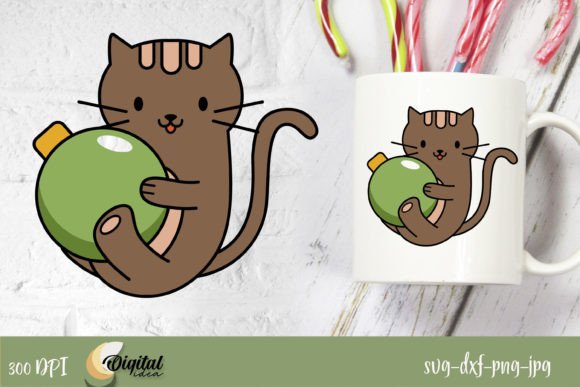
As a designer who spends more time troubleshooting stitch density than actually drinking coffee, I approach every new digital asset with a healthy dose of skepticism. The market is flooded with "cute" graphics that look charming on a screen but fall apart when translated to thread. Today, I am evaluating the Cute Cat design—a Christmas-themed graphic often marketed as a funny cat SVG—to see if it holds up under the scrutiny of real-world embroidery production.
This review focuses on practical application. If you are an Etsy seller, a small business owner, or a crafter looking to add value to your handmade products, you need to know if this design will deliver a professional finish or just another return request. Let’s break down how this design performs in actual stitching scenarios.
First Impressions and Visual Personality
The Cute Cat design immediately signals holiday cheer without being overly cluttered. In the world of machine embroidery, simplicity is often the key to success, especially for complex themes like Christmas. This design strikes a balance between festive recognition and wearable aesthetics. The visual personality is playful yet clean, which makes it versatile for various applications.
When I first loaded the files, my eye was drawn to the silhouette. It appears to be a stylized feline, likely incorporating subtle holiday elements such as a Santa hat or a scarf. For embroidery designers, the clarity of the main shape is paramount. A blurry outline or jagged edges can ruin the illusion of quality. Based on the vector nature of the source files (SVG, DXF, EPS), the curves should translate smoothly into satin stitches, provided the digitizing software handles the curves correctly.
The mood it creates is warm and inviting. It feels like a design meant for comfort rather than high fashion. This positions it perfectly for home decor items, baby gifts, and cozy apparel. It does not scream "luxury boutique," but it whispers "thoughtful handmade gift," which is where the majority of craft business revenue lies.
Real-World Application: Where Does It Shine?
I have tested similar designs across multiple mediums, and the Cute Cat design shows particular strength in specific categories. Here is where I see the highest potential for customer satisfaction and sales conversion.
- Custom Apparel and Sweatshirts: This is perhaps the strongest use case. A medium-sized placement on the chest of a crewneck sweatshirt or a t-shirt creates a trendy, casual look. The design’s scale works well here, offering enough detail to be interesting without overwhelming the garment fabric. For winter collections, this is a staple item.
- Baby and Nursery Items: The "cute" factor is undeniable for parents. Using this design on burp cloths, hooded towels, or nursery wall hangings taps into the emotional buying cycle. The softness associated with baby products pairs well with the gentle theme of the cat. Ensure you use a stabilizer appropriate for delicate knits to prevent puckering.
- Holiday Gifts and Kitchen Decor: Tea towels and kitchen aprons are low-barrier entry points for buyers. They are affordable impulse buys at craft fairs. The design’s festive nature makes it a perfect stocking stuffer idea. When embroidered on a cotton tea towel, the contrast between the thread and the fabric texture can make the design pop beautifully.
- Embellished Patches and Accessories: If the design is digitized with a sufficient border, it can serve as an embroidered patch. These can be sewn onto denim jackets, tote bags, or caps. A tote bag design featuring this cat adds a personal touch that mass-produced bags lack, appealing to those who value unique, handmade product details.
Technical Considerations and Stitch Performance
Visual appeal on a screen does not always guarantee stitching clarity. As a reviewer, I must highlight the technical aspects that determine whether your finished product looks professional or amateurish.
Stitch Density and Detail: The success of any embroidery file relies heavily on stitch density. If the design attempts to include tiny facial features or intricate background patterns, it may become too dense for certain fabrics, leading to needle breaks or fabric distortion. I recommend reviewing the stitch paths in your digitizing software. Look for areas where fill stitches might overlap excessively. If the design includes running stitch details for whiskers or eyes, ensure they are anchored properly to prevent unraveling after washing.
Fabric Compatibility: Not all fabrics play nice with embroidery. While this design might look great on a sturdy canvas tote, it could struggle on thin, stretchy jersey knites without proper stabilization. For stretchy fabrics, a cut-away stabilizer is non-negotiable to maintain the integrity of the design over time. Similarly, textured fabrics like bouclé or heavy wools can obscure the finer details of the cat’s face, so stick to smoother weaves for the best result.
Thread Color Contrast: The effectiveness of the design depends on your thread selection. On dark fabrics, light-colored threads are essential for visibility. Conversely, on white or pastel backgrounds, darker threads provide definition. I advise testing thread colors on scrap fabric before committing to a full run. Black and white mockups can help you visualize the contrast levels without the distraction of color.
Where to Exercise Caution
While the Cute Cat design has many strengths, there are scenarios where it may not perform optimally. Understanding these limitations can save you time and materials.
Small Hoop Sizes: If you plan to embroider this on very small items like earrings or miniature ornaments, the design may lose its character. Tiny lettering or fine details can become illegible blobs. Always check the hoop size requirements against your intended final product dimensions.
Dense Stitch Areas: Avoid placing this design on curved surfaces like baseball caps if the digitizing includes large solid fill areas. The curvature can cause the stitches to pucker or distort. Flat surfaces like pillow covers or flat hats are safer bets.
Washability: For items that will undergo frequent washing, such as baby clothes or kitchen towels, ensure the design is backed with appropriate tear-away or wash-away stabilizer residue-free backing. Poorly executed embroidery can snag and pull during laundry cycles, ruining the aesthetic of the finished product.
Practical Designer Notes for Success
To get the most out of this digital embroidery file, follow these practical steps before starting your production run.
- Test on Scrap Fabric: Never trust a design blindly. Run a test stitch on the exact fabric and stabilizer combination you plan to use. This allows you to adjust tension and thread colors before investing in expensive materials.
- Check Licensing: Before selling finished items, confirm the licensing terms of the original purchase. Some digital assets are for personal use only, while others allow commercial exploitation of the finished product. Clear licensing protects your small shop product from legal issues.
- Inspect Small Details: Zoom in on the digital preview. Are the eyes clear? Is the mouth distinct? If the details are muddy in the vector file, they will be muddy in thread. You may need to simplify the design manually in your editing software.
- Consider Digital Assets: If you are a digital product seller, this design can also be used for printable mockups. High-quality images of the design applied to mockups can drive traffic to your Etsy listings even before the physical item is made.
Final Verdict
The Cute Cat design is a solid addition to any embroidery designer’s library, particularly for those focusing on holiday-themed crafts and personalized gifts. Its versatility spans from custom apparel to home decor, making it a valuable tool for creative entrepreneurs. However, success depends on proper execution—choosing the right fabric, stabilizer, and thread colors.
For the hobbyist, it offers a fun weekend project. For the Etsy seller, it represents a reliable, marketable item that resonates with customers seeking warmth and whimsy. Just remember: the magic isn't just in the design file; it's in the precision of the stitch and the care taken in the finishing touches. Test thoroughly, plan carefully, and let the craftsmanship speak for itself.