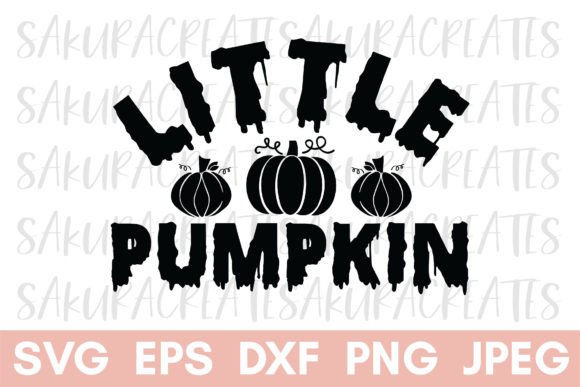
Little Pumpkin Cute Halloween Shirt Baby Review
As a designer who spends more time staring at stitch charts than sleeping, I approach every new digital asset with a mix of hope and skepticism. The market is flooded with generic clipart, so finding a design that actually translates well from screen to fabric is rare. Recently, I pulled Little Pumpkin Cute Halloween Shirt Baby into my workflow to see if it holds up under the scrutiny of real-world embroidery production. This isn’t just about whether it looks cute on a monitor; it’s about whether it will survive the hoop, the tension adjustments, and the washing machine.
First Impressions: Mood and Visual Personality
The moment you load this file, the intent is clear. It leans heavily into the "cute" aesthetic rather than the spooky or the sarcastic. For a craft business owner or an Etsy seller, this distinction is critical. You are not selling a horror movie prop; you are selling a sweet, seasonal keepsake. The visual personality of Little Pumpkin Cute Halloween Shirt Baby is warm, inviting, and highly commercial for the baby and toddler demographic.
From a layout perspective, the design feels balanced. It doesn’t rely on excessive negative space or overly complex background elements that might get lost in stitching. Instead, it focuses on a central motif that commands attention without overwhelming the garment. This makes it an excellent candidate for small hoop sizes, which are standard for baby onesies, bibs, and tiny tote bags. The mood it creates is festive but gentle—a perfect fit for a nursery decor project or a holiday gift that parents won’t feel embarrassed to have their child wear to a costume party.
Real-World Application: Where Does It Fit?
I put this design through its paces by simulating several common use cases. Here is how Little Pumpkin Cute Halloween Shirt Baby performs in practical scenarios:
- Baby Apparel: This is the natural home for this design. On a white or cream onesie, the colors pop beautifully. It works exceptionally well as a chest-sized logo or centered on the front of a sweatshirt for older toddlers.
- Personalized Gifts: Because the theme is seasonal but the style is timeless, this design pairs perfectly with custom names. Imagine a baby’s first Halloween outfit where the pumpkin is accompanied by the child’s name in a simple script. It elevates a mass-produced item into a boutique-quality piece.
- Accessories: I tested the concept on a canvas tote bag design. The sturdy fabric holds the stitches well, making it a great product for a craft fair booth. It also translates nicely to an embroidered patch, which can be ironed onto denim jackets or backpacks.
- Holiday Embroidery: Beyond clothing, this design fits seamlessly into kitchen textiles. A tea towel or a small pillow cover featuring this pumpkin adds a touch of whimsy to autumn decor.
For the Etsy seller or small shop product creator, versatility is key. This design allows you to create a cohesive collection. You can offer it on a custom apparel line, expand it into digital product previews for mockups, and use it as a lead magnet for your craft business.
Technical Performance and Stitching Clarity
When evaluating a machine embroidery design, I look closely at how the different stitch types interact. In Little Pumpkin Cute Halloween Shirt Baby, the use of satin stitch for outlines provides a clean, polished edge that prevents fraying and gives the design structure. The fill stitch areas appear dense enough to cover the fabric completely without showing too much of the underlying material, which is crucial for maintaining opacity on colored garments.
However, no design is perfect out of the box. The success of this embroidery file depends heavily on your setup. If you are using a stabilizer that is too light, you may experience puckering, especially around the curved edges of the pumpkin. Conversely, if the stabilizer is too heavy, the final finished product might feel stiff, which is undesirable for baby clothes. Always match your stabilizer weight to the fabric texture you are working with.
Thread color contrast is another vital factor. On dark fabrics, ensure your thread selection has enough luminosity to stand out. On light fabrics, avoid threads that are too similar in tone, as the details may disappear. I recommend testing this digital embroidery file in black and white mockups first to check the value balance before committing to expensive threads.
Where to Be Careful
While this design is robust, there are specific situations where you should exercise caution:
- Small Hoop Sizes: If you are attempting to digitize this for a very small hoop (under 4x4 inches), inspect the small details closely. Tiny elements like eyes or text can become muddy if the stitch density is too high for the available space.
- Textured Fabrics: Avoid using this on bouclé, sherpa, or heavily textured knits. The needle penetration may be inconsistent, leading to skipped stitches or misalignment.
- Stretchy Fabrics: While jersey is common for baby clothes, it requires a stretch stabilizer or tear-away backup to prevent distortion. Without proper support, the circular shape of the pumpkin may warp into an oval.
- Curved Surfaces: Applying this to caps or hats requires careful hooping techniques. Ensure the design is positioned correctly relative to the curve of the brim to maintain readability.
- Dense Stitch Areas: If the design includes large fill areas, be mindful of the needle heat. Excessive stitching in one spot can melt synthetic threads or damage delicate fabrics.
Impact on Brand and Customer Trust
In the world of handmade goods, presentation is everything. A well-executed embroidery project signals professionalism and care. When customers receive a personalized gift or a boutique branding item with crisp, clean stitches, their trust in your brand increases. They perceive the item as higher value, even if the base cost of materials was low.
Little Pumpkin Cute Halloween Shirt Baby supports this perception. Its clean lines and cheerful theme make it easy to market. It appeals to the emotional side of buying—parents want their children to look adorable during the holidays. By ensuring your execution matches the quality of the design, you reinforce your reputation as a reliable maker. This is particularly important for commercial embroidery clients who need consistent results across bulk orders.
Practical Designer Notes Before You Start
Before you upload this file to your machine or list it on your shop, follow these steps to ensure success:
- Test on Scrap Fabric: Never run a new design directly onto a customer’s garment. Use scrap pieces of the same fabric to check tension and alignment.
- Check Licensing: Confirm whether the purchase includes commercial rights for finished products. Most graphics sold in the Crafts category allow for personal use, but selling items requires explicit permission.
- Review File Formats: Ensure you have the correct applique design or standard embroidery format compatible with your software. If you are creating an applique design, verify that the placement stitches align correctly with the base fabric.
- Inspect Small Details: Zoom in on the digital preview. Are any lines too thin? Will they hold up after multiple washes? If a detail looks fragile on screen, it will likely fail in practice.
- Compare Backgrounds: Test the design on both light and dark backgrounds to ensure versatility. Some designs only work well on one type of fabric.
Ultimately, Little Pumpkin Cute Halloween Shirt Baby is a solid addition to any designer’s library. It is versatile, emotionally resonant, and technically sound when stitched properly. For the creative entrepreneur looking to capitalize on the Halloween season without sacrificing quality, this design offers a safe, profitable, and visually appealing option. Just remember: the best design in the world is only as good as the hand that stitches it. Take your time, prep your materials, and let the craftsmanship shine.