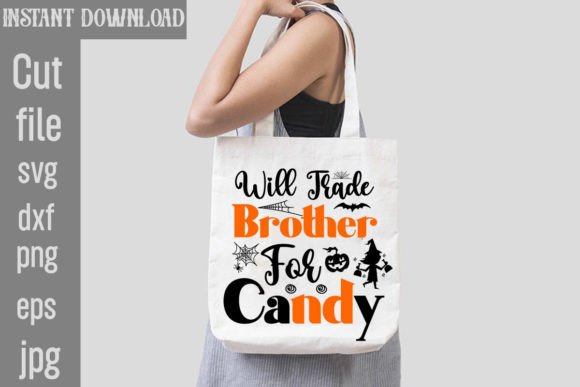
Will Trade Brother for Candy SVG Cut Fi Review
As a designer who spends more time than I care to admit staring at stitch lines and debating thread color palettes, I don’t just buy designs because they look cute on a screen. I buy them because they translate well into physical reality. When I first encountered Will Trade Brother for Candy SVG Cut Fi, my immediate reaction was one of cautious optimism. The concept is playful, the typography is bold, and the "candy" theme suggests a high-energy visual that could easily become a bestseller in the handmade space—if executed correctly.
This isn't just another generic clip art file; it’s a specific design asset that demands attention to detail during the digitizing and embroidery process. Whether you are an Etsy seller looking to expand your catalog or a hobbyist making personalized gifts, understanding how this design behaves under the needle is crucial. Below, I break down exactly what to expect when using Will Trade Brother for Candy SVG Cut Fi in real-world projects.
First Impressions and Visual Personality
The moment you open the download, which includes a comprehensive set of files such as an SVG, DXF, EPS, and a high-resolution PNG, the intent of the design becomes clear. It is vibrant, slightly retro, and undeniably fun. The phrase itself carries a cheeky confidence that resonates well with modern craft trends. For a machine embroidery design, this kind of textual humor works exceptionally well on casual wear and lifestyle accessories.
Visually, the layout relies heavily on strong letterforms and likely some decorative elements associated with the candy motif. In the world of graphics, this falls squarely into the Crafts and Graphics categories, but its true value lies in its application. The mood it creates is lighthearted and approachable. It doesn’t feel corporate or stiff; it feels like something you’d see on a boutique t-shirt or a custom tote bag at a weekend market. The transparent background provided in the PNG file allows for easy visualization against various fabric colors, which is a huge plus for previewing your final product before committing to thread.
Real-World Application: Where This Design Shines
I recently put Will Trade Brother for Candy SVG Cut Fi through its paces by imagining it on several different substrates. Here is where I believe it performs best:
- Custom Apparel: This design screams sweatshirt embroidery. The bold nature of the text pairs perfectly with heavyweight cotton blends often used in hoodies and crewnecks. Imagine this stitched in bright pastel threads on a heather grey garment—it would pop beautifully.
- Tote Bag Designs: Canvas totes are a staple for craft business owners. The durability of canvas can handle the density required for this kind of graphic design. It serves as both a functional item and a walking advertisement for your brand.
- Baby Embroidery: While the phrase might be too edgy for some nursery decor, the candy theme itself is universally appealing. If adapted for baby clothes, perhaps softened with pastel thread colors, it could work for older toddlers or as a humorous gift for parents.
- Personalized Gifts: Holiday embroidery is a massive market. This design has a festive, celebratory vibe that fits well around Valentine’s Day or even as a quirky Christmas gift for friends who appreciate dry humor.
- Embroidered Patches: If you plan to use this as an applique design or a standalone patch for denim jackets or backpacks, the vector files (SVG and EPS) provided make scaling incredibly easy. You can resize it to fit standard patch hoops without losing quality.
For digital product sellers, the inclusion of the 300 DPI PNG means you can create stunning printable mockups. Showcasing the design on a white tee, a black apron, and a beige pillow cover gives your customers a clear idea of versatility, which directly impacts buyer engagement and conversion rates.
Technical Considerations and Potential Pitfalls
While the design is visually striking, not every surface is created equal. As an experienced reviewer, I have to highlight where Will Trade Brother for Candy SVG Cut Fi requires careful handling. Embroidery is a technical craft, and ignoring these nuances can lead to ruined products and frustrated customers.
Hoop Size and Detail Level: If you attempt to stitch this in a very small hoop size, you risk losing the integrity of the lettering. Satin stitches on narrow letters can pucker if the stitch count is too high for the available space. Always check the digitization for stitch density. If the design uses dense fill stitch areas, ensure your fabric can support it without distorting.
Fabric Texture and Stability: Thin fabrics like silk or lightweight rayon are risky. The tension required to pull the threads tight enough for a clean finish may cause puckering. Similarly, stretchy fabrics require a heavy-duty stabilizer—perhaps a cut-away type—to prevent the design from warping over time. For textured fabrics like terry cloth or fleece, the needle penetration might be inconsistent, leading to skipped stitches or uneven thread coverage.
Color Contrast: The visual appeal of this design relies heavily on contrast. On dark fabric, light thread colors will stand out, but you must ensure the underlay stitches are sufficient to hide the base fabric. On light fabric, dark threads provide sharp definition. Always test your thread colors against your actual fabric swatch. A common mistake is assuming a thread color looks good in isolation, only to find it disappears once stitched onto the material.
Curved Surfaces: If you are applying this to caps or hats, remember that curved surfaces distort flat designs. You may need to adjust the hooping technique or use a specialized cap frame to maintain the alignment of the text. Detailed corners can get lost on curved panels, so inspect the digitized file closely to see if any fine details might merge together on a rounded surface.
Practical Designer Notes for Success
To get the most out of Will Trade Brother for Candy SVG Cut Fi, follow these practical steps before starting your commercial embroidery projects:
- Test on Scrap Fabric: Never go straight to the final product. Stitch the design on a scrap piece of the same fabric and stabilizer combination you plan to use. This reveals issues with tension, puckering, or thread breaks early.
- Review Stitch Density: Look at the digitized file. Are there large areas of fill stitch? Ensure your machine can handle the density without overheating the needle or breaking the thread.
- Check Licensing: Since this is a digital download, verify the license terms. Are you allowed to sell finished items? Can you use it in multiple commercial projects? Clarifying this prevents legal headaches down the line.
- Inspect Small Details: Zoom in on the SVG and DXF files. Are there tiny elements that might get lost in stitching? If so, consider simplifying the design or adjusting the scale.
- Use Proper Stabilizer: Match your stabilizer to your fabric. Lightweight fabrics need lightweight stabilizers; heavy fabrics need robust support. This is critical for maintaining the shape of the finished product.
- Black and White Mockups: Convert your design to black and white to check the balance and spacing. This helps identify if any parts of the design are too crowded or too sparse.
Final Verdict
Will Trade Brother for Candy SVG Cut Fi is a versatile and engaging design asset that offers significant potential for craft business owners and creative entrepreneurs. Its strength lies in its bold personality and adaptability across various mediums, from custom apparel to embroidered patches. However, success depends entirely on proper execution. By paying attention to fabric choice, stabilizer selection, and stitch quality, you can transform this digital file into a professional, high-value handmade product.
Whether you are listing this on Etsy, adding it to your small shop inventory, or creating unique gifts for loved ones, this design provides a solid foundation for creativity. Just remember: the difference between a good embroidery project and a great one often comes down to the details. Test thoroughly, choose your materials wisely, and let the design speak for itself.