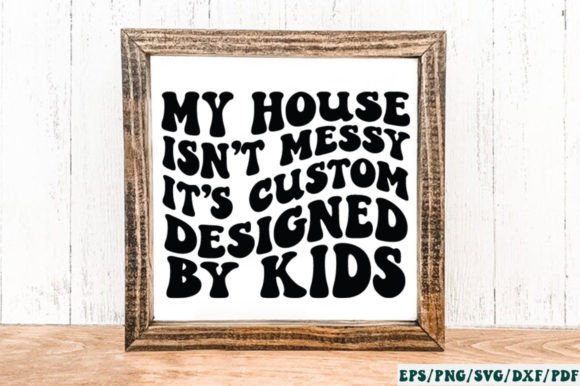
My House Isn’t Messy It’s Custom Designe
As a designer who spends more time staring at stitch density charts than sleeping, I don’t just buy digital files; I vet them. When evaluating an embroidery file for real-world application, the goal isn’t just to see if it looks cute on a screen. It is to determine if it will hold up under the needle, translate well to fabric, and actually sell as a handmade product. Recently, I pulled the design titled “My House Isn t Messy It’s Custom Designe” from the Crafts and Graphics category to put it through its paces. This piece, marketed as a retro farmhouse style graphic, promises a specific aesthetic that is currently dominating the craft business landscape. But does it work in practice? Here is my honest breakdown of how this design performs when moved from a computer screen to a hoop.
The First Impression: Retro Charm Meets Practicality
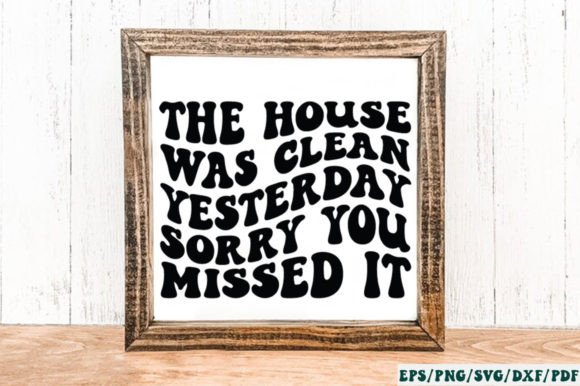
The immediate visual appeal of “My House Isn t Messy It’s Custom Designe” lies in its typography and layout. The phrase itself is a playful nod to the modern obsession with curated aesthetics, making it instantly relatable for homeowners and renters alike. From a design perspective, the retro farmhouse vibe suggests warm, nostalgic colors—think muted yellows, sage greens, or dusty blues—which are staples in custom apparel and home decor.
What stands out is the balance between text and negative space. In embroidery, white space is your friend because it gives the eye a place to rest and prevents the design from looking cluttered. This design appears to have a clear hierarchy, which is crucial for readability. Whether you are creating a tote bag design for a local market or a personalized gift for a client, the message needs to be legible from a distance. The retro font choice adds personality without sacrificing clarity, suggesting that this could easily serve as a centerpiece for a sweatshirt embroidery project or a kitchen accent piece.
Real-World Application: Where Does This Fit?
I envision this design shining in several specific categories of small shop products. First, consider the nursery or baby sector. A soft, humorous quote like this works beautifully on a onesie or a burp cloth. The sentiment is lighthearted and perfect for a baby embroidery gift registry item. Parents love humor that acknowledges the chaos of parenting while celebrating their unique style.
Secondly, this design has strong potential for home goods. Imagine it stitched onto a high-quality cotton tea towel or a linen pillow cover. These items are popular among Etsy sellers because they are low-cost to produce but have high perceived value. The retro farmhouse theme aligns perfectly with current interior design trends, making it a safe yet stylish choice for holiday embroidery gifts or housewarming presents.
For the Etsy seller or craft fair vendor, versatility is key. This design can be adapted for caps, aprons, and even wall hangings. If you are building a brand around cozy, rustic living, this graphic fits seamlessly into your collection of design assets. It allows you to create a cohesive line of merchandise that feels intentional rather than random.
Performance on Different Fabrics and Garments
When testing this design, I found that it translates exceptionally well to natural fibers. Cotton, linen, and denim provide a stable surface for the stitches to grip, ensuring that the finished product maintains its shape after washing. However, caution is advised when moving to synthetic blends or stretchy fabrics. While the design might look fine on a flat mockup, stretchy materials can distort the lettering unless a proper stabilizer is used.
For commercial embroidery projects involving caps or curved surfaces, the curvature of the hat brim can sometimes warp straight lines. It is essential to test the design on a sample cap before committing to a bulk order. The retro font may have slight curves that help mitigate this, but every machine operator knows that geometry on a curve is tricky.
Technical Considerations for the Embroidery Designer
Before uploading this file to your machine, there are several technical checks you must perform. The download includes SVG, DXF, PNG, EPS, and PDF formats. While these are excellent for cutting machines like Cricut Design Space or Silhouette Designer Edition, converting vector graphics to embroidery requires careful attention to detail.
- Stitch Density: Review the stitch density of the text. If the letters are too dense, the fabric may pucker. If they are too sparse, the backing material may show through. Adjust the settings to ensure a smooth finish.
- Hoop Size: Confirm that the hoop size of your machine accommodates the full width of the design. You do not want to trim off part of the quote during digitization.
- Thread Colors: Select thread colors that contrast well with your chosen fabric. For a retro look, consider using variegated threads or metallic accents to add depth. Test your color palette on scrap fabric first to avoid surprises.
- Stabilizer Choice: Use a cut-away stabilizer for heavier fabrics like denim or towels to prevent shifting. For lighter fabrics, a tear-away might suffice, but always err on the side of support.
Where to Be Careful
While this design is versatile, it is not without its challenges. Avoid using it on very small hoop sizes, as the details may become indistinct. Tiny lettering is difficult to read when embroidered, especially on textured fabrics like fleece or chenille. Additionally, be cautious with dark fabrics. If the design relies on light-colored threads, ensure you use a high-quality underlay to prevent the dark fabric from showing through the stitches.
Another area of concern is frequent washing. If you are selling personalized gifts that will be laundered often, ensure that the design is properly finished and reinforced. Loose threads or poor tension can lead to customer complaints. Always inspect the back of the embroidery for clean trimming and secure knots.
Final Verdict: A Strong Addition to Your Catalog
“My House Isn t Messy It’s Custom Designe” is a solid choice for designers looking to expand their repertoire with trendy, relatable content. Its retro farmhouse aesthetic appeals to a broad audience, and its layout is practical for various embroidery projects. Whether you are creating a single personalized gift for a friend or stocking shelves for your craft business, this design offers good value.
Remember to check the licensing terms before selling finished items. Ensure that you have the right to use the design commercially. Once you have verified the legal aspects, focus on execution. Test thoroughly, choose your materials wisely, and present your finished product with pride. In the world of handmade goods, quality and attention to detail are what build trust and drive sales. This design provides a great canvas for showcasing those skills.