Farm Life Funny Gardening Graphics for Crafts and Content
In the world of digital publishing, visual assets are not merely decorative; they are functional tools that dictate reader engagement, brand trust, and content performance. As a blog designer and digital publisher who has spent years refining editorial layouts and optimizing user experience, I approach every graphic design asset with a critical eye. Does it support the message? Does it load quickly? Does it look professional on mobile devices? Today, I am reviewing a specific creative product: Farm Life Funny Gardening svg png dxf eps – digital file for cutting machines. ★••★ WHAT YOU RECEIVE ★••★ Farm Life Funny Gardening SVG Design print-ready file for Cricut and silhouette Cutting Machin. While marketed toward crafters using cutting machines like Cricut or Silhouette, this asset holds significant potential for bloggers, affiliate marketers, and content creators looking to inject personality into their digital spaces.
First Impressions and Editorial Mood
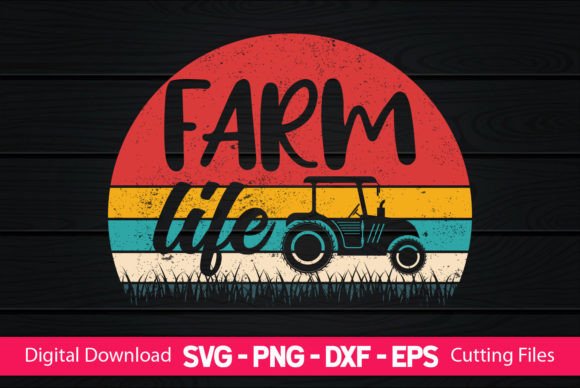
The initial visual impact of Farm Life Funny Gardening is one of approachable whimsy. It leans heavily into a lifestyle-focused, playful aesthetic that resonates well with audiences interested in home gardening, rural living, and DIY projects. For a publisher, this means the design naturally supports content niches that value authenticity and humor over stark professionalism. The mood is casual yet polished enough for modern web standards. It avoids being overly childish, striking a balance that works for both younger audiences seeking fun and older demographics appreciating the charm of "farm life."
When integrating this into an editorial layout, the design creates a warm, inviting atmosphere. It suggests that the content surrounding it will be accessible, friendly, and perhaps a bit lighthearted. This is crucial for content marketing strategies where building a personal connection with the reader is paramount. If your website aims to feel like a trusted friend offering advice, this graphic aligns perfectly with that voice. However, if your brand identity is strictly corporate or minimalist, this asset might clash with the desired visual hierarchy.
Real-World Publishing Applications
One of the strongest arguments for utilizing this asset in a professional publishing workflow is its versatility across multiple formats. Because it comes as a digital download containing SVG, PNG, DXF, and EPS files, you have the flexibility to use it in various contexts beyond simple physical crafts. Here is how I recommend deploying these design assets in real content projects:
- Pinterest Pins and Social Media Graphics: The high-contrast nature of most SVG designs translates well to social media thumbnails. Use the vector file to create bold, readable pins that stop the scroll. The funny gardening theme is highly shareable, which can drive organic traffic back to your blog posts about garden planning or humorous lawn care tips.
- Blog Featured Images and Headers: Incorporate the design into your featured images to establish immediate context. When paired with clean typography, it can serve as a visual anchor for articles related to seasonal planting, harvest celebrations, or gardening mishaps.
- Digital Guides and Lead Magnets: Create downloadable resources such as "The Ultimate Funny Garden Planner" or "50 Jokes for Your Shed." Use the PNG or EPS files on the cover of these PDFs to increase perceived value. A well-designed lead magnet boosts conversion rates by making the offer look professionally produced.
- Newsletter Banners and Email Graphics: Add a touch of personality to your email campaigns. A banner featuring this design can break up text-heavy emails and remind subscribers of the human element behind the newsletter.
- Category Thumbnails and Website Headers: If you have a dedicated section for "Gardening Humor" or "DIY Crafts," use this asset as a category icon. Consistent use of thematic graphics helps users navigate your site intuitively.
Supporting Content Performance and Brand Identity
Using Farm Life Funny Gardening strategically can enhance several key metrics in your publishing workflow. First, it contributes to a stronger first impression. Visitors form an opinion about your site’s credibility within seconds; polished, relevant visuals signal that you care about quality. Second, it aids in clearer visual hierarchy. By using distinct graphic elements, you can guide the reader’s eye to important calls-to-action or highlighted text.
Furthermore, consistent use of themed graphics builds a recognizable brand identity. Over time, readers will associate the playful gardening motif with your unique voice. This recognition fosters reader trust and loyalty. In the realm of affiliate marketing, where trust is currency, having a cohesive and professional-looking site increases the likelihood that visitors will click on your recommended products. Additionally, good web design principles dictate that visual variety prevents fatigue; this asset adds necessary texture to otherwise plain text pages.
Strategic Placement and Visual Hierarchy
To maximize the effectiveness of this asset, consider where it fits best within your editorial structure. It excels in hero images where it can be displayed large and clear. It also works well as an accent in article headers, breaking up sections of long-form content. For downloadable resources, such as worksheets or eBooks, placing the design prominently on the cover ensures it stands out in search results and inbox previews.
However, there are areas where caution is advised. Avoid using this graphic in small mobile thumbnails where detail may be lost. Text-heavy blog images should be used sparingly, as too many graphical elements can distract from the core message. Low-contrast backgrounds can make the design hard to read, so always test your color pairings. Furthermore, if your website serves a serious professional niche, such as legal advice or financial consulting, this playful design may undermine the authority you are trying to project. In such cases, a more minimal visual system is preferable.
Practical Publisher Notes for Implementation
Before integrating Farm Life Funny Gardening into your live site, follow these technical and strategic steps to ensure optimal performance:
- Test Across Devices: View the graphic on desktop, tablet, and mobile screens. Ensure it scales correctly and does not pixelate on high-resolution displays.
- Check Thumbnail Visibility: Preview how the image looks when shrunk down to blog post thumbnail size. If details become muddy, consider simplifying the background or increasing contrast.
- Preview in Real Layouts: Insert the graphic into an actual blog post draft. Check how it interacts with headline text, body copy, and sidebar widgets.
- Font Pairing: Experiment with different typefaces alongside the graphic. Try pairing it with serif fonts for a classic look, sans-serif for modern clarity, or script/handwritten fonts for a personalized touch. Display fonts can add flair but should be used sparingly.
- Contrast and Readability: Ensure sufficient contrast between the graphic and its background. Test the image in black and white to check for tonal balance.
- File Size Optimization: Compress images properly to maintain fast page load times. Large files can hurt SEO and user experience.
- Licensing Verification: Confirm the commercial license terms before using the asset on monetized websites, affiliate pages, or paid content products. Ensure you have the right to use the design for digital distribution.
Conclusion for Digital Creators
For bloggers, online educators, and creative entrepreneurs, Farm Life Funny Gardening offers more than just a cute image; it provides a versatile tool for enhancing editorial design and engaging audiences. Whether you are creating a Canva template for your followers, designing a digital product, or simply sprucing up your website header, this asset brings a level of charm and professionalism that can elevate your content. By understanding its strengths and limitations, you can integrate it seamlessly into your creative design workflow, ultimately supporting better visual communication and stronger reader connections.